



SAFEXPLAIN: From Vision to Reality

AI Robustness & Safety
Explainable AI

Compliance & Standards

Safety Critical Applications
THE CHALLENGE: SAFE AI-BASED CRITICAL SYSTEMS
- Today’s AI allows advanced functions to run on high performance machines, but its “black‑box” decision‑making is still a challenge for automotive, rail, space and other safety‑critical applications where failure or malfunction may result in severe harm.
- Machine- and deep‑learning solutions running on high‑performance hardware enable true autonomy, but until they become explainable, traceable and verifiable, they can’t be trusted in safety-critical systems.
- Each sector enforces its own rigorous safety standards to ensure the technology used is safe (Space- ECSS, Automotive- ISO26262/ ISO21448/ ISO8800, Rail-EN 50126/8), and AI must also meet these functional safety requirements.
MAKING CERTIFIABLE AI A REALITY
Our next-generation open software platform is designed to make AI explainable, and to make systems where AI is integrated compliant with safety standards. This technology bridges the gap between cutting-edge AI capabilities and the rigorous demands for safety-crtical environments. By joining experts on AI robustness, explainable AI, functional safety and system design, and testing their solutions in safety critical applications in space, automotive and rail domains, we’re making sure we’re contribuiting to trustworthy and reliable AI.
Key activities:
SAFEXPLAIN is enabling the use of AI in safety-critical system by closing the gap between AI capabilities and functional safety requirements.
See SAFEXPLAIN technology in action
CORE DEMO
The Core Demo is built on a flexible skeleton of replaceable building blocks for Interference, Supervision or Diagnoistic components that allow it to be adapted to different secnarios. Full domain-specific demos are available in the technologies page.
SPACE
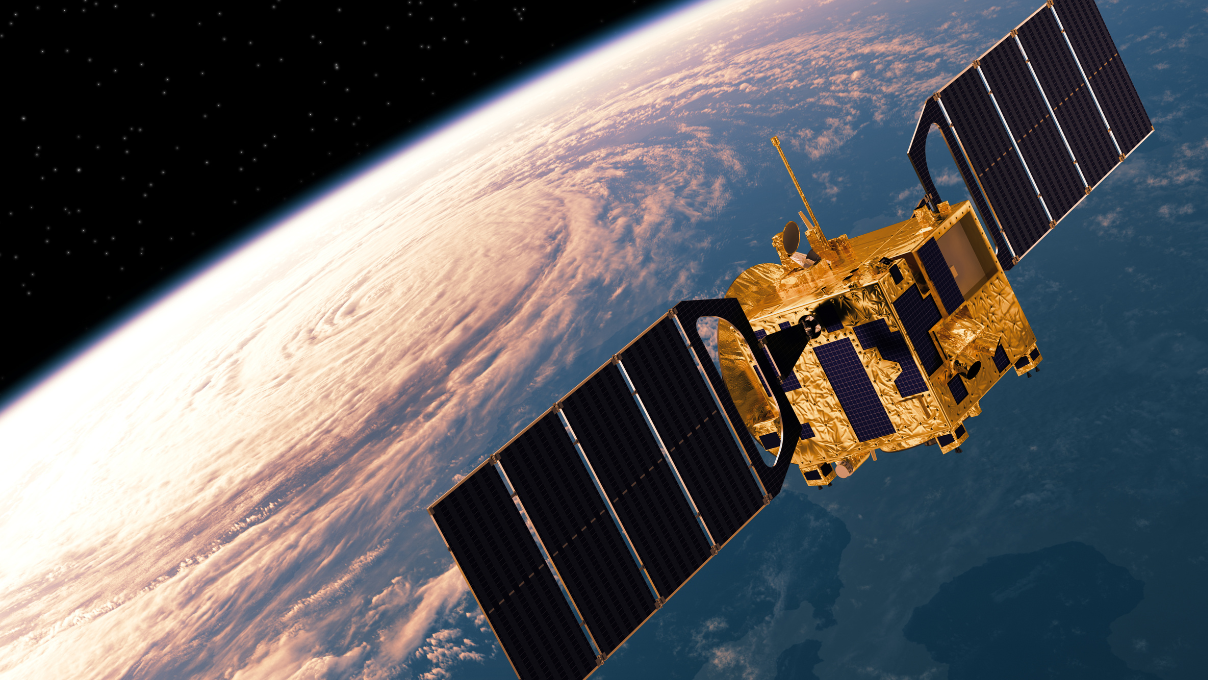
Mission autonomy and AI to enable fully autonomous operations during space missions
Specific activities: Identify the target, estimate its pose, and monitor the agent position, to signal potential drifts, sensor faults, etc
Use of AI: Decision ensemble

AUTOMOTIVE
Advanced methods and procedures to enable self-driving carrs to accurately detect road users and predict their trajectory
Specific activities: Validate the system’s capacity to detect pedestrians, issue warnings, and perform emergency braking
Use of AI: Decision Function (mainly visualization oriented)
RAIL
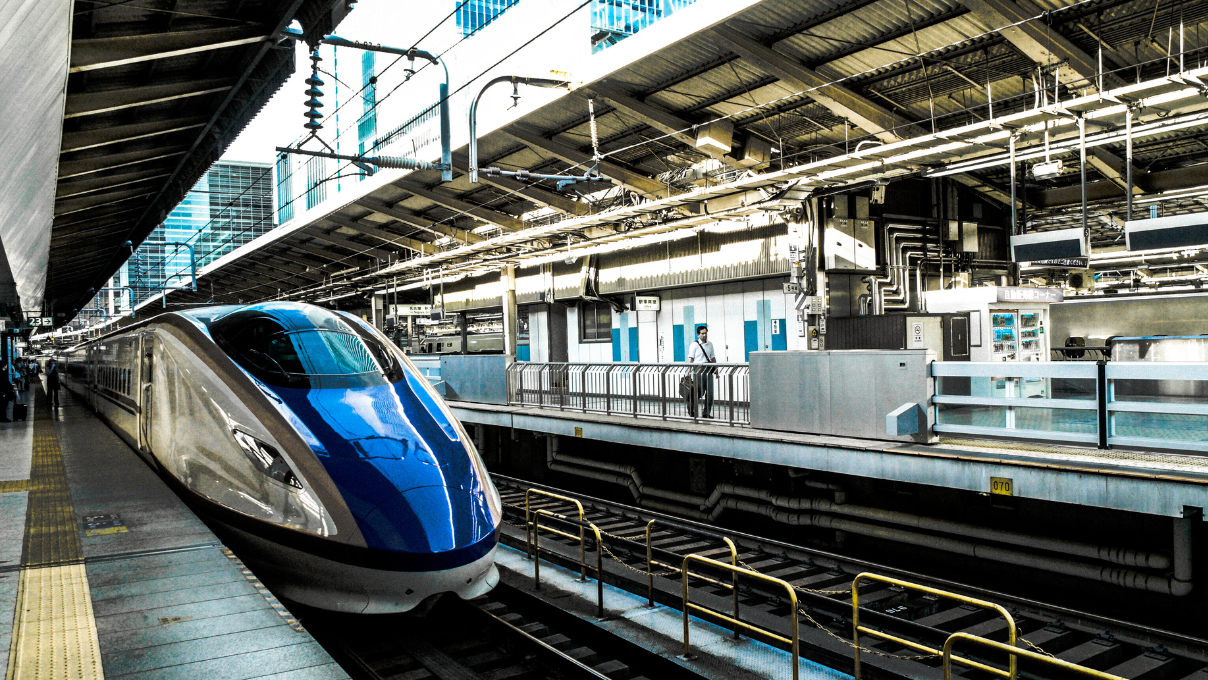
Review of the viability of a safety architectural pattern for the completely autonomous operation of trains
Specific activities: Validate the system’s capacity to detect obstacles, issue warnings, and perform service braking
Use of AI: Data-quality and temporal consistency scores

Integrating AI into Functional Safety Management
SAFEXPLAIN is developing an AI-Functional Safety Management methodology that guides the development process, maps the traditional lifecycle of safety-critical systems with the AI lifecycle, and addreses their interactions. AI-FSM extends widely adopted FSM methodologies that stem from functional safety standards to the the specific needs of Deep Learning architecture specifications, data, learning, and inference management, as well as appropriate testing steps. The SAFEXPLAIN-developed AI-FSM considers recommendations from IEC 61508 [5], EASA [6], ISO/IEC 5460 [3], AMLAS [7] and ASPICE 4.0 [8], among others.
Certification bodies weigh-in on SAFEXPLAIN functional safety management methodologies integrating AI
SAFEXPLAIN partners from IKERLAN and the Barcelona Supercomputing Center met with TÜV Rheinland experts on 22 January 2024 to share the project´s AI-Functional Safety Management (AI-FSM) methodology. This meeting provided an important opportunity for the project to present its work to an important player in safety certification.
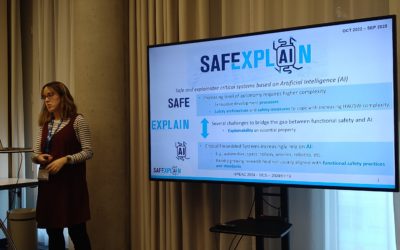
Mixed Critical Systems Workshop at HiPEAC 2024
Irune Agirre, from partner IKERLAN, discusses functional safety approaches for AI-based critical systems at HiPEAC2024 On 19 January 2024, members of the SAFEXPLAIN consortium participated in the 12th Workshop on "MCS: Mixed Critical Systems – Safe and Secure...
No Results Found
The page you requested could not be found. Try refining your search, or use the navigation above to locate the post.