



SAFEXPLAIN: From Vision to Reality

AI Robustness & Safety
Explainable AI

Compliance & Standards

Safety Critical Applications
THE CHALLENGE: SAFE AI-BASED CRITICAL SYSTEMS
- Today’s AI allows advanced functions to run on high performance machines, but its “black‑box” decision‑making is still a challenge for automotive, rail, space and other safety‑critical applications where failure or malfunction may result in severe harm.
- Machine- and deep‑learning solutions running on high‑performance hardware enable true autonomy, but until they become explainable, traceable and verifiable, they can’t be trusted in safety-critical systems.
- Each sector enforces its own rigorous safety standards to ensure the technology used is safe (Space- ECSS, Automotive- ISO26262/ ISO21448/ ISO8800, Rail-EN 50126/8), and AI must also meet these functional safety requirements.
MAKING CERTIFIABLE AI A REALITY
Our next-generation open software platform is designed to make AI explainable, and to make systems where AI is integrated compliant with safety standards. This technology bridges the gap between cutting-edge AI capabilities and the rigorous demands for safety-crtical environments. By joining experts on AI robustness, explainable AI, functional safety and system design, and testing their solutions in safety critical applications in space, automotive and rail domains, we’re making sure we’re contribuiting to trustworthy and reliable AI.
Key activities:
SAFEXPLAIN is enabling the use of AI in safety-critical system by closing the gap between AI capabilities and functional safety requirements.
See SAFEXPLAIN technology in action
CORE DEMO
The Core Demo is built on a flexible skeleton of replaceable building blocks for Interference, Supervision or Diagnoistic components that allow it to be adapted to different secnarios. Full domain-specific demos are available in the technologies page.

SPACE
Mission autonomy and AI to enable fully autonomous operations during space missions
Specific activities: Identify the target, estimate its pose, and monitor the agent position, to signal potential drifts, sensor faults, etc
Use of AI: Decision ensemble

AUTOMOTIVE
Advanced methods and procedures to enable self-driving carrs to accurately detect road users and predict their trajectory
Specific activities: Validate the system’s capacity to detect pedestrians, issue warnings, and perform emergency braking
Use of AI: Decision Function (mainly visualization oriented)
RAIL
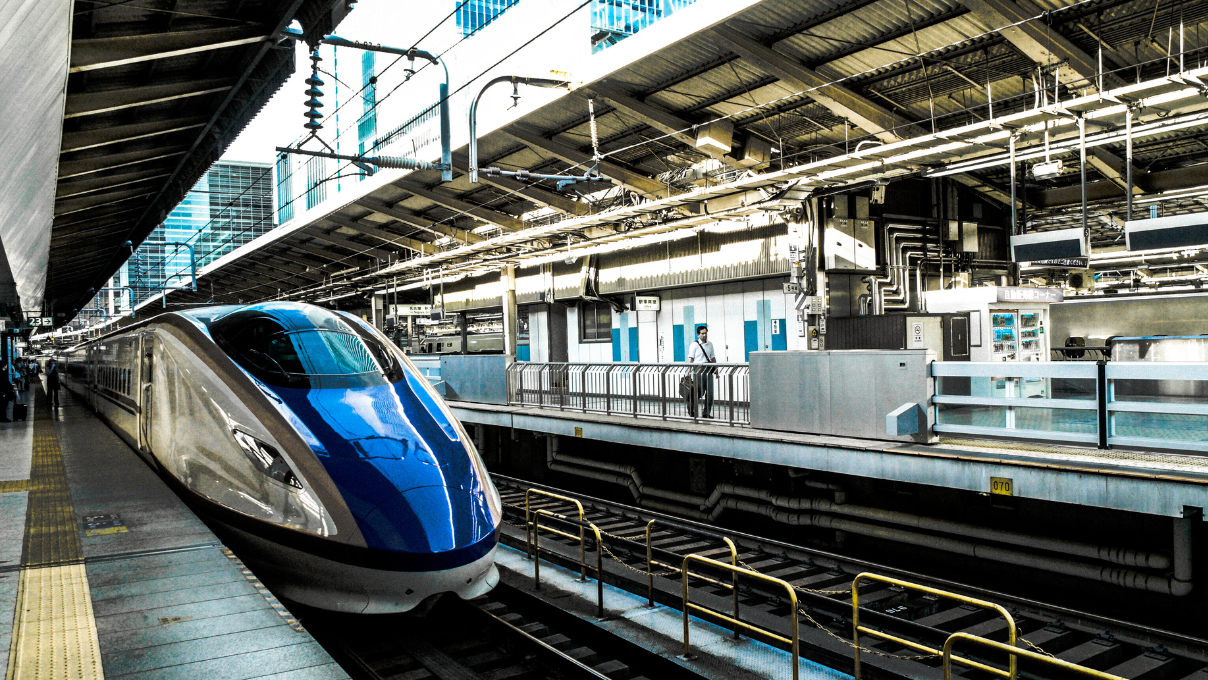
Review of the viability of a safety architectural pattern for the completely autonomous operation of trains
Specific activities: Validate the system’s capacity to detect obstacles, issue warnings, and perform service braking
Use of AI: Data-quality and temporal consistency scores

Integrating Explainable AI techniques into Machine Learning Life Cycles
Written by Robert Lowe & Thanh Bui, Humanized Autonomy Unit, RISE, Sweden. Machine Learning life cycles for data science projects that deal with safety critical outcomes require assurances of expected outputs at each stage of the life cycle for them to be...

SAFEXPLAIN to present in COMPSAC Autonomous Systems Symposium
The paper "Efficient Diverse Redundant DNNs for Autonomous Driving", coauthored by BSC authors Martí Caro, Jordi Fornt and Jaume Abella, has been accepted for publication in the 47th IEEE International Conference on Computers, Software & Applications (COMPSAC)....

SAFEXPLAIN Presentation on Safe and Explainable Critical Embedded Systems Based on AI at DATE Conference in Antwerp
SAFEXPLAIN presented its latest research on Safe and Explainable Critical Embedded Systems Based on AI at the Design, Automation and Test in Europe Conference (DATE) in Antwerp, Belgium. The DATE conference is a leading event for electronic system design and test,...
No Results Found
The page you requested could not be found. Try refining your search, or use the navigation above to locate the post.